_edited.png)
Composting in Hutto, TX: The Surprisingly Easy Way to Turn Trash Into Garden Gold
Updated: Mar 12
If you’ve ever taken your trash out after dinner in Hutto and thought, “Why is this bag already full again?” - you’re not alone.

Here’s the wild part: nearly one-third of what we throw away is food scraps and yard waste... things that could’ve been turned into rich soil instead of sitting in a landfill.
And since Hutto doesn’t currently have a city composting program, most of those banana peels, coffee grounds, and grass clippings are headed straight for the dump.
But the good news? Composting at home is way easier (and less gross) than most people think - and you don’t need a farm, chickens, or a giant backyard to do it.
What Even Is Composting?
Composting is basically nature’s recycling.
Instead of throwing away things like fruit scraps or dried leaves, you let them break down naturally into a dark, crumbly material called compost - which is basically “vitamins” for soil.
Think of compost like this:
Food scraps + yard waste + time = free plant fertilizer
No chemistry degree required.
Why Composting Matters (Even If You Don’t Garden)
Even if you don’t have a garden, composting helps because it:
Reduces how much trash you send to the landfill
Cuts down on smells in your garbage can
Keeps useful organic material out of waste piles
Helps the environment in a simple, everyday way
And if you do have plants? Compost makes them happier. Period.
The Beginner-Friendly Rule: Greens + Browns
Compost works best when you mix two basic types of material:
“Greens” (Food Waste)
These add nitrogen.
Examples:
Fruit and veggie scraps
Coffee grounds
Eggshells
“Browns” (Dry Stuff)
These add carbon.
Examples:
Dry leaves
Shredded cardboard
Paper towels (uncoated)
A good beginner shortcut:
Add food scraps → cover with leaves or cardboard → repeat
That’s it.
What You Can Compost (And What You Shouldn’t)
Great for Composting
Banana peels
Apple cores
Coffee grounds and filters
Eggshells
Grass clippings
Leaves
Shredded newspaper
Cardboard (like Amazon boxes)
Skip These (For a Basic Backyard Pile)
Meat or fish
Dairy products
Greasy foods
Pet waste
Plastic or “compostable” packaging
Diseased plants
Start simple. You can always level up later.
Simple, Surprising Compost Habits You Can Start Today
Here are a few easy wins that don’t require a big lifestyle change:
1. Keep a “Scrap Bowl” While Cooking
Instead of walking to the trash 10 times, toss scraps into one bowl and dump it outside later.
2. Coffee Grounds Are Compost Superstars
If you make coffee in the morning, you already have compost gold.
3. Tear Cardboard Into Strips
That pile of delivery boxes? Compost loves it.
4. Don’t Overthink the Bin
You can compost in:
A simple backyard pile
A plastic storage tote with holes
A small covered bin
It doesn’t need to look Pinterest-perfect.
5. Fall Leaves Are Free Compost Fuel
Instead of bagging leaves, save them. They’re the perfect “brown” ingredient.
Williamson County Resources (Nearby Help)
Even though Hutto doesn’t yet offer compost pickup, these local resources are useful:
Williamson County Environmental Programshttps://www.wilcotx.gov/905/Environmental
Williamson County Recycling & Waste Facilitieshttps://www.wm.com/us/en/facilities/williamson-county-landfill
Texas A&M AgriLife Composting Guide (Beginner-Friendly)https://agrilifeextension.tamu.edu/asset-external/easy-gardening-composting/
These are great if you want to go deeper without getting overwhelmed.

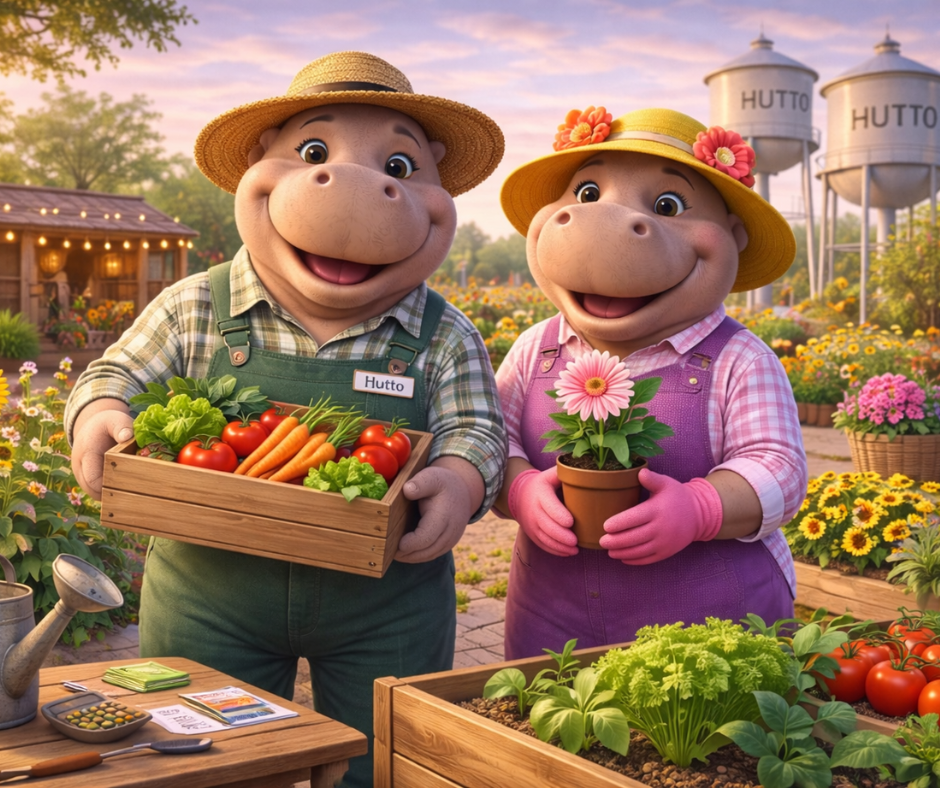
Written by Joseph Cortez and Daniela Medellin, fellow Hutto Hippos and proud owners of Hutto Soap & Candle Co. and Hutto Farmers Market, two eco-conscious businesses proudly serving the Hutto community. We care a lot about simple, earth-friendly habits - whether that’s choosing cleaner ingredients for your home or finding small ways to reduce everyday waste. Composting is one of those surprisingly easy steps that can make a real difference right here in our community.
Frequently Asked Questions
Q: What is composting?
A: Composting is the natural process of breaking down food scraps and yard waste into nutrient-rich soil called compost that can be used to improve plants and gardens.
Q: Why should people compost at home?
A: Composting reduces household trash, keeps organic waste out of landfills, and creates nutrient-rich soil that supports healthier plants.
Q: What can you put in a compost pile?
A: Common compost items include fruit and vegetable scraps, coffee grounds, eggshells, grass clippings, dry leaves, shredded newspaper, and cardboard.
Q: What should not be composted at home?
A: Avoid composting meat, dairy products, greasy foods, pet waste, plastic, and diseased plants in a basic backyard compost pile.
Q: Do you need a garden to start composting?
A: No. Even without a garden, composting helps reduce waste and keeps organic materials out of landfills.
Q: Is composting difficult for beginners?
A: No. A simple system of food scraps (“greens”) and dry materials like leaves or cardboard (“browns”) is enough to start composting at home.


Comments